
Compression Lock · Twin-Tube Design
Double Tube Rigid Locking Gas Spring

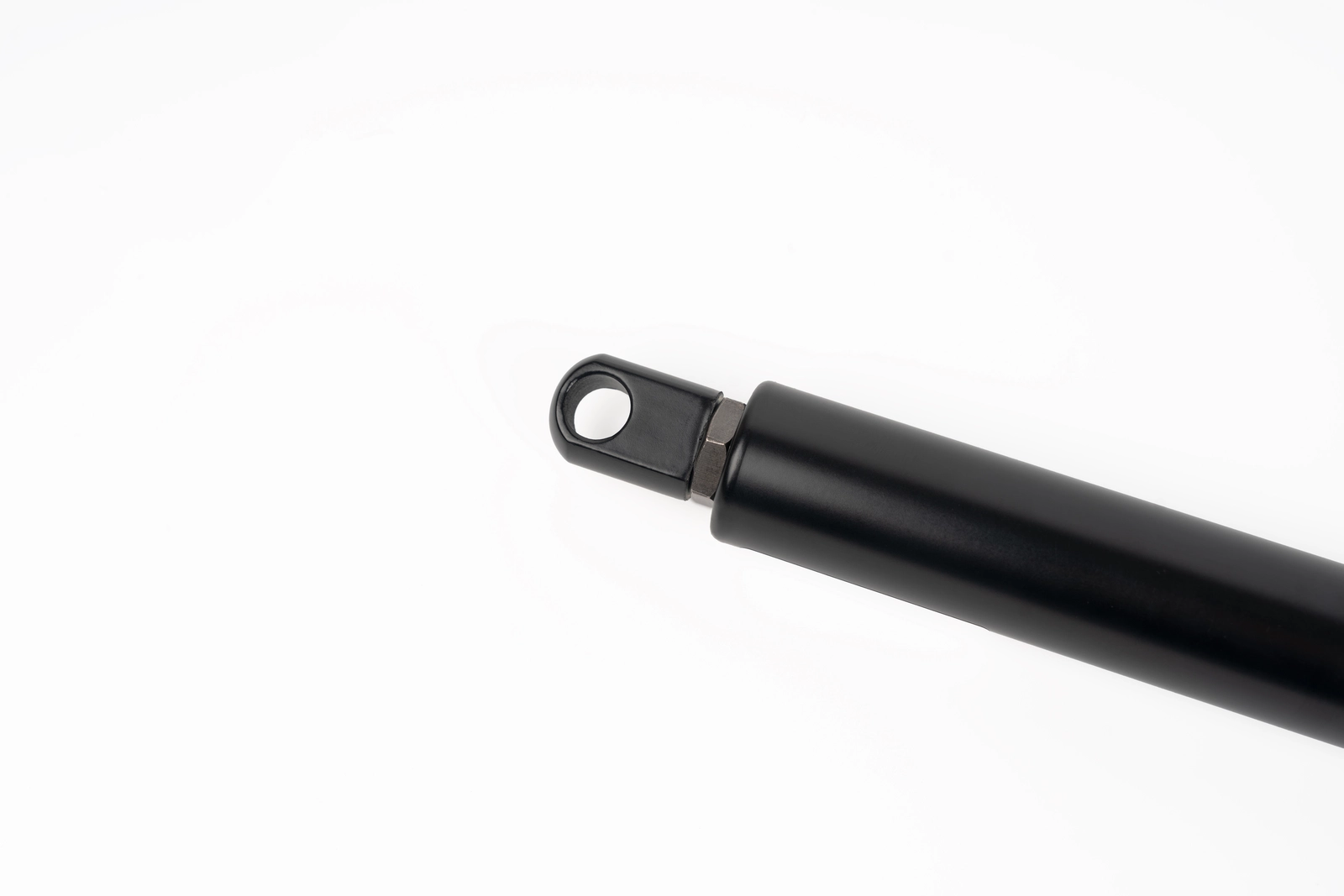
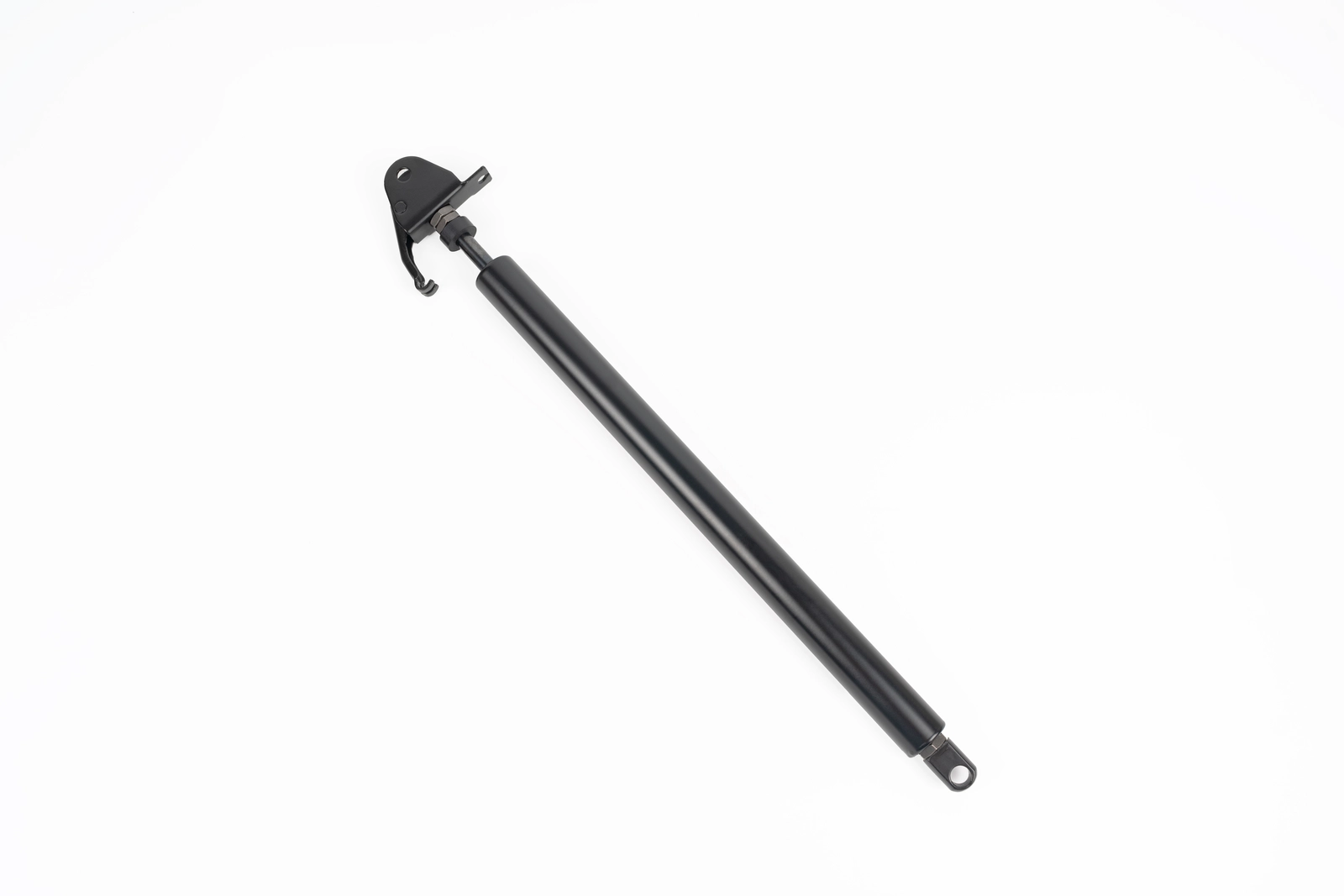
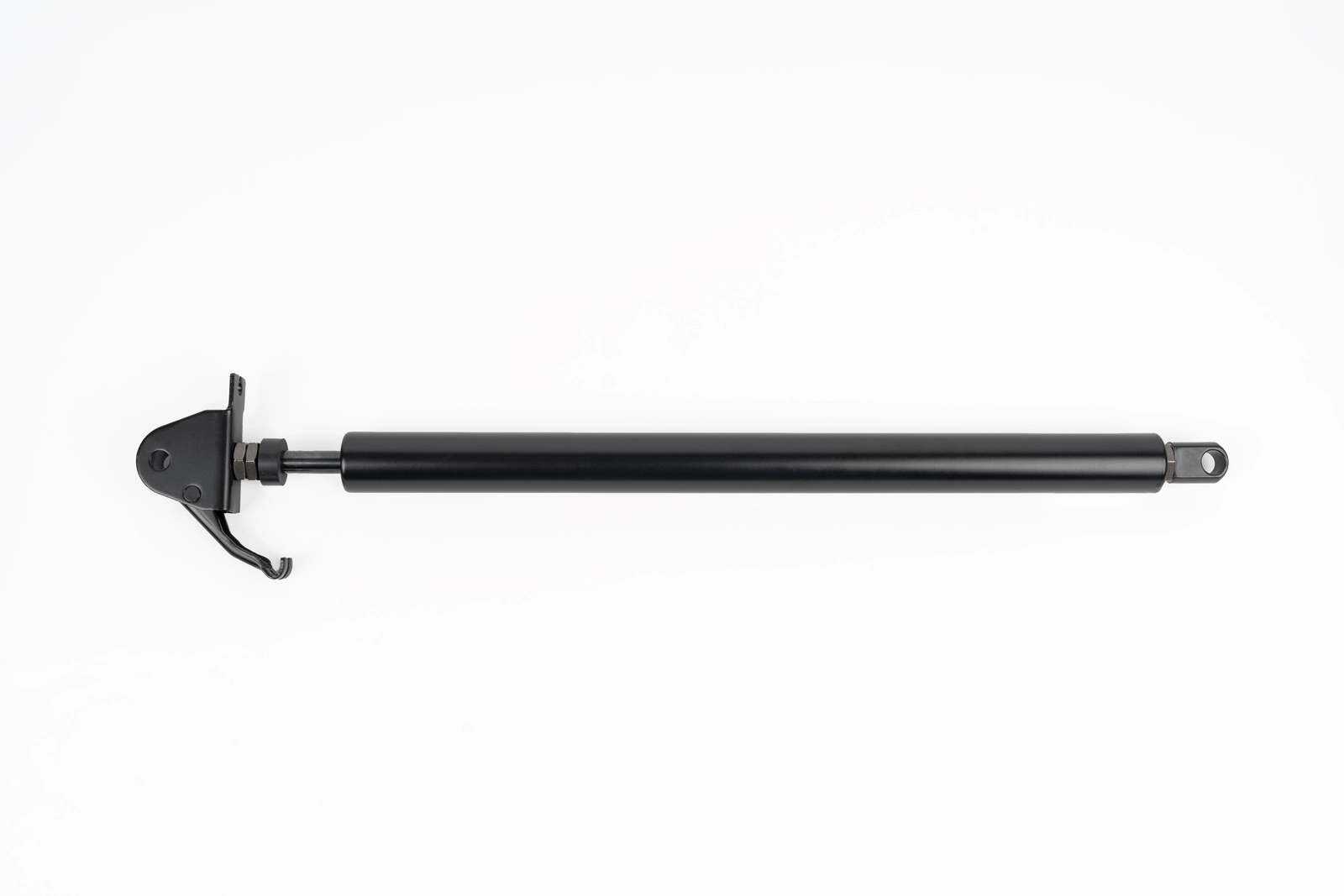
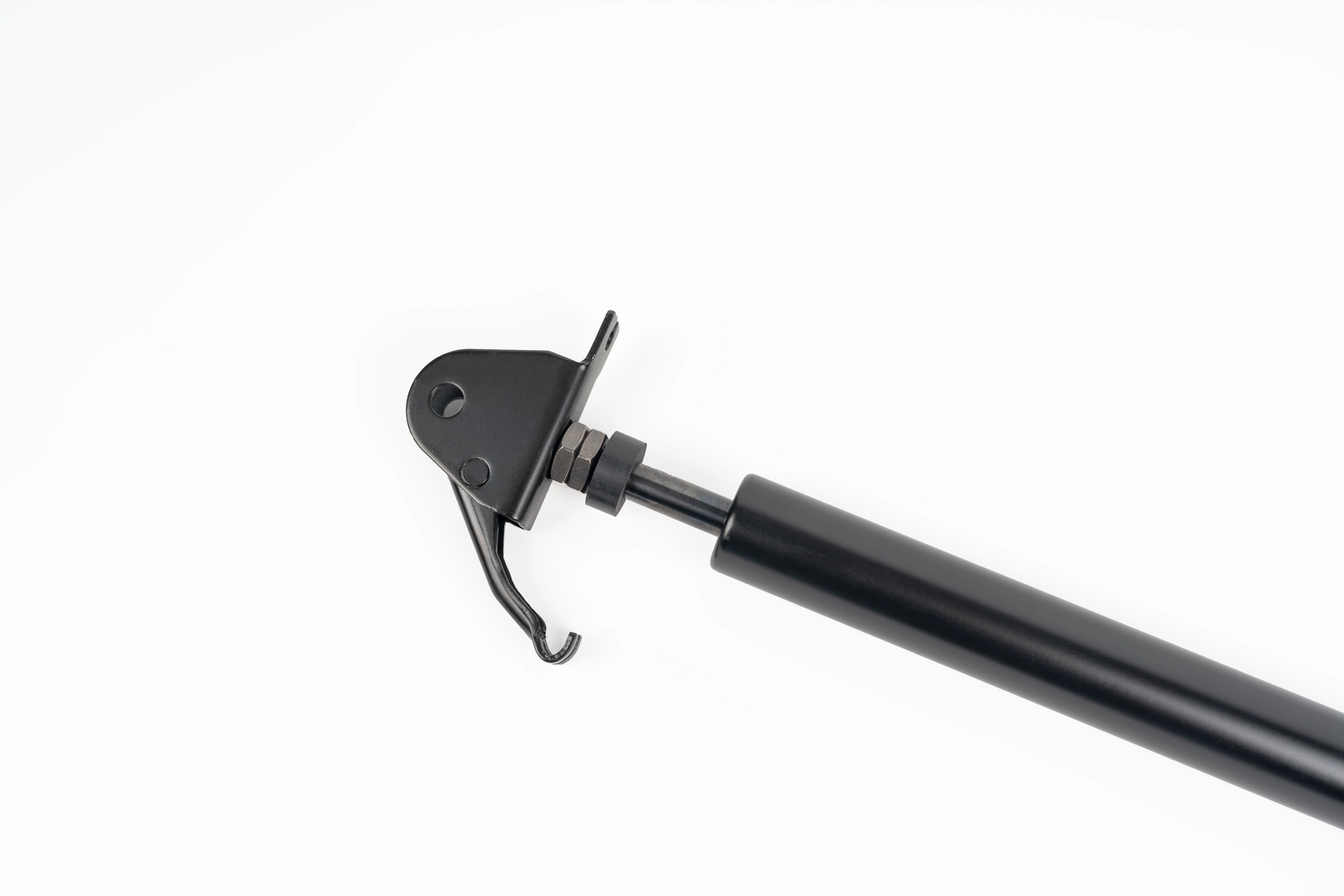
Newton’s double tube gas spring pairs an oil-filled compression lock with a twin-tube chamber for medical beds, tilt tables and furniture.
- Stays rigid under downward (compression) loads when locked
- Twin-tube construction increases gas volume and stroke-to-cylinder ratio
- 50–500 mm stroke with 8 or 10 mm rods and direct or remote cable release
- 8 or 10 mmPiston rod diameter
- 50–500 mmStroke length
- 70–450 NForce rating
- 90–650 mmOuter tube length
Overview
Longer stroke and rigid compression hold
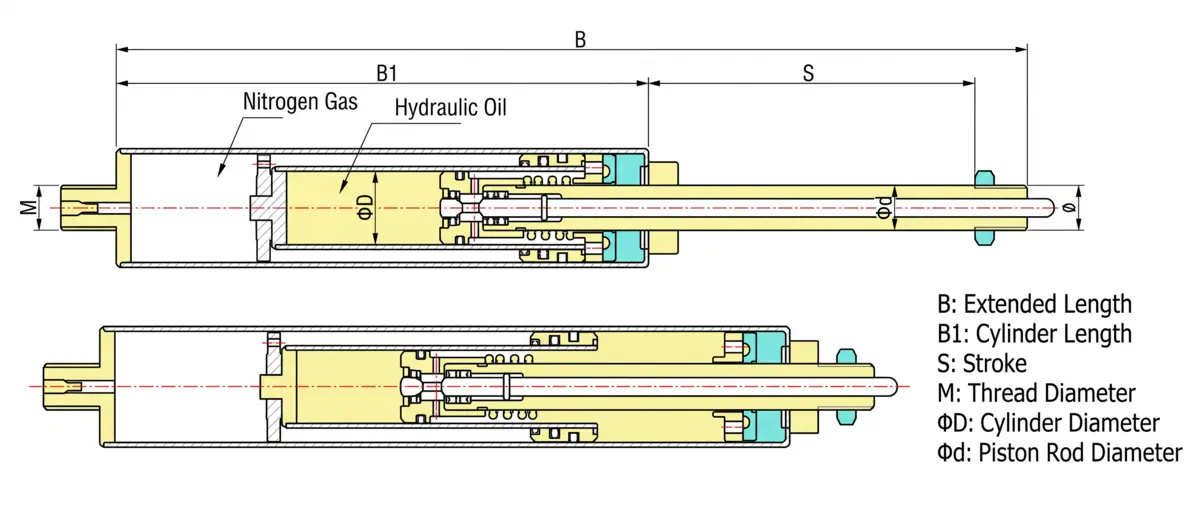
When a mechanism has to fold into a tight frame yet still travel through a wide adjustment arc, a standard single-tube strut can run out of stroke length. This double tube gas spring solves that packaging challenge by housing an inner working cylinder inside a concentric outer tube, separating the hydraulic oil locking column from the outer nitrogen reservoir.
Because the gas and oil chambers sit side-by-side rather than end-to-end, this twin tube gas spring delivers a significantly better stroke-to-cylinder ratio and a larger internal gas volume. Once the release pin is let go, incompressible hydraulic oil locks the piston rigidly in the compression direction so downward weight will not push the rod in.
That combination makes it a dependable hospital bed gas spring and long stroke locking gas spring for patient examination couches, nursing beds, orthopedic leg rests and height-adjustable furniture across our lockable gas spring range.
-
Trigger the release pin
Depress the release pin via a bedside lever, foot pedal or remote cable to open the internal hydraulic valve.
-
Travel the full stroke
Raise or lower the bed section or tabletop smoothly. The increased twin-tube gas volume keeps the lifting force steady across up to 500 mm of travel.
-
Lock firm under downward load
Release the actuator to seal the oil chamber. The piston holds rigid against downward compression forces without spongy deflection.
Key Features
Why choose a double tube rigid locking gas spring
-
Rigid in compression
Hydraulic oil locking column resists downward pushing loads so tables, surfaces and bed sections stay firm.
-
Better stroke-to-body ratio
Concentric twin-tube layout frees up axial length, giving you up to 500 mm of stroke from a shorter cylinder.
-
Higher gas volume
The outer annular chamber holds more nitrogen gas, producing a smoother, flatter force curve across long strokes.
-
Medical & OEM ready
Custom built with 8 mm or 10 mm rods, five hygienic finish colours, and direct or cable-operated releases.
Specifications
Double tube locking gas spring specifications
Each twin tube gas spring is manufactured to your exact dimensions and force rating. Use the table below as your specification guide.
| Parameter | Range / options | Notes |
|---|---|---|
| Lock type | Rigid locking, compression direction | Holds firmly under downward (pushing) loads once the valve closes. |
| Cylinder design | Double tube (twin-tube) | Concentric inner and outer tubes increase gas volume and stroke-to-cylinder efficiency. |
| Fill | Nitrogen gas + hydraulic oil | Nitrogen provides smooth lifting assistance; oil provides the rigid compression lock. |
| Piston rod diameter | 8 mm or 10 mm | Choose 8 mm for compact frames or 10 mm for higher column strength on long strokes. |
| Stroke length (S) | 50–500 mm | Long stroke capability within a reduced installation envelope. |
| Outer tube (D × wall) | 22 × 1.0 / 26 × 1.0 / 27 × 1.5 / 28 × 1.5 mm | Tube diameter and wall thickness matched to rod diameter and pressure. |
| Outer tube length (B1) | 90–650 mm | Shorter cylinder body length relative to stroke travel. |
| Extended length (B) | To order | Overall length measured with the piston rod fully extended. |
| Force (F1) | 70–450 N | Charged to your specified nominal extension force. |
| Finish colours | Black, silver grey, white, chrome, light grey | Easy-wipe, corrosion-resistant finishes ideal for medical beds and furniture. |
| End fittings | Single-ear, double-ear, pull-switch | Supplied in metal for high-load pivots or plastic for lighter assemblies. |
| Release | Release pin or cable-release actuator | Direct mechanical lever contact or remote Bowden cable actuation. |
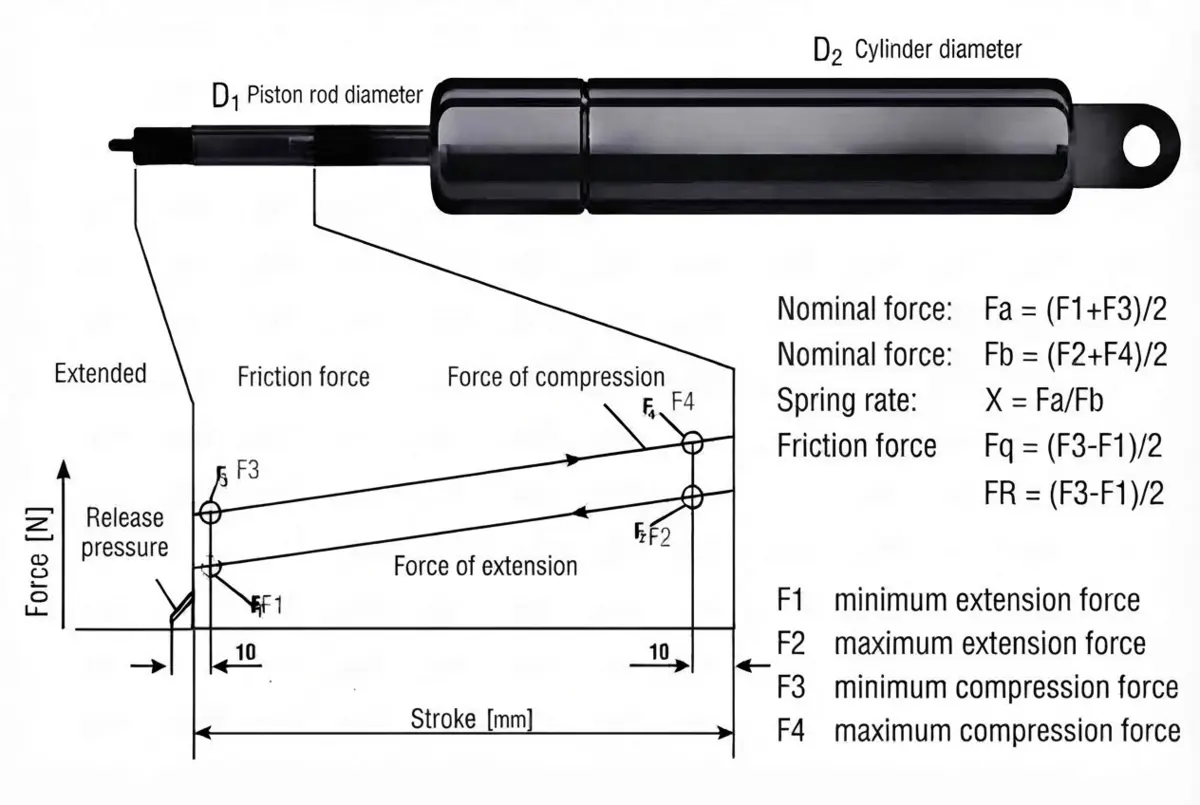
Schematic, Force Diagram & Dimension Key
Consult the dimensional drawing and force progression chart below alongside the symbol key when sizing your double tube gas spring.
- B
- Extended lengthOverall length, rod fully extended
- B1
- Cylinder body lengthLength of the outer tube
- S
- StrokePiston rod travel distance
- D
- Cylinder diameterOutside diameter of the outer tube
- d
- Rod / hole diameterPiston rod diameter (or eyelet through-hole)
- M
- Mounting threadThread size for end fittings & release pin
- F1
- Extension forceNominal gas force with the rod extended
- F2
- Compressed forceGas force with the rod fully compressed
- FR
- Friction forceDynamic resistance difference between directions
Configuration
Build it your way
Tailor the finish colour, mounting brackets and release actuator to integrate seamlessly with your bed frame or equipment.
-
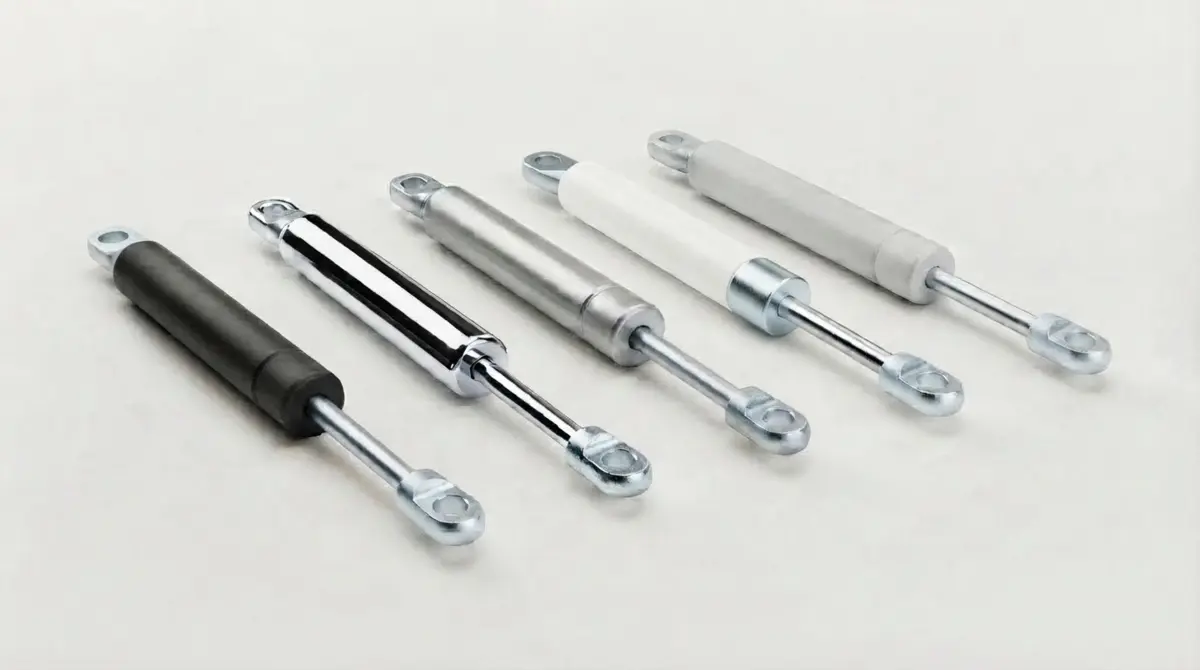
Finish & Colour
Durable, easy-clean coatings suited to clinical wards, care homes and commercial interiors.
- White or light grey for hospital & medical beds
- Black or silver grey for furniture frames
- Bright chrome finish
-
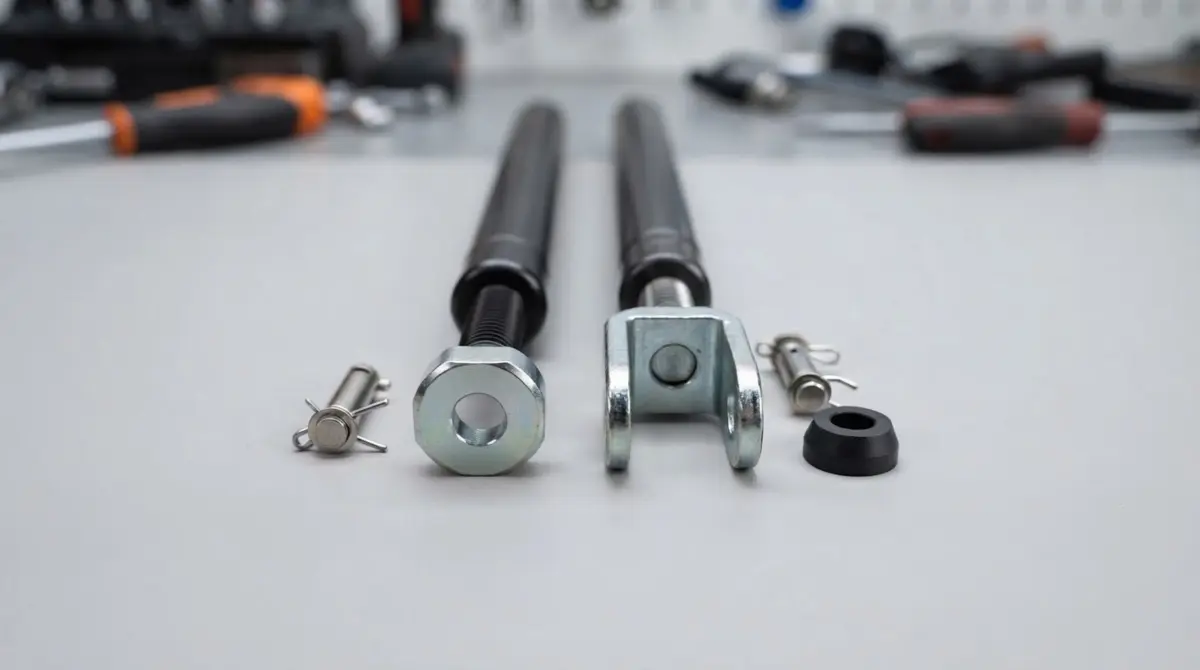
End Fittings
Secure pivot mounts in machined metal for heavy duty cycles or moulded plastic for lighter frames.
- Single-ear eyelet: simple through-bolt mounting
- Double-ear clevis: twin-lug fork for aligned load transfer
- Custom OEM brackets made to your drawing
-
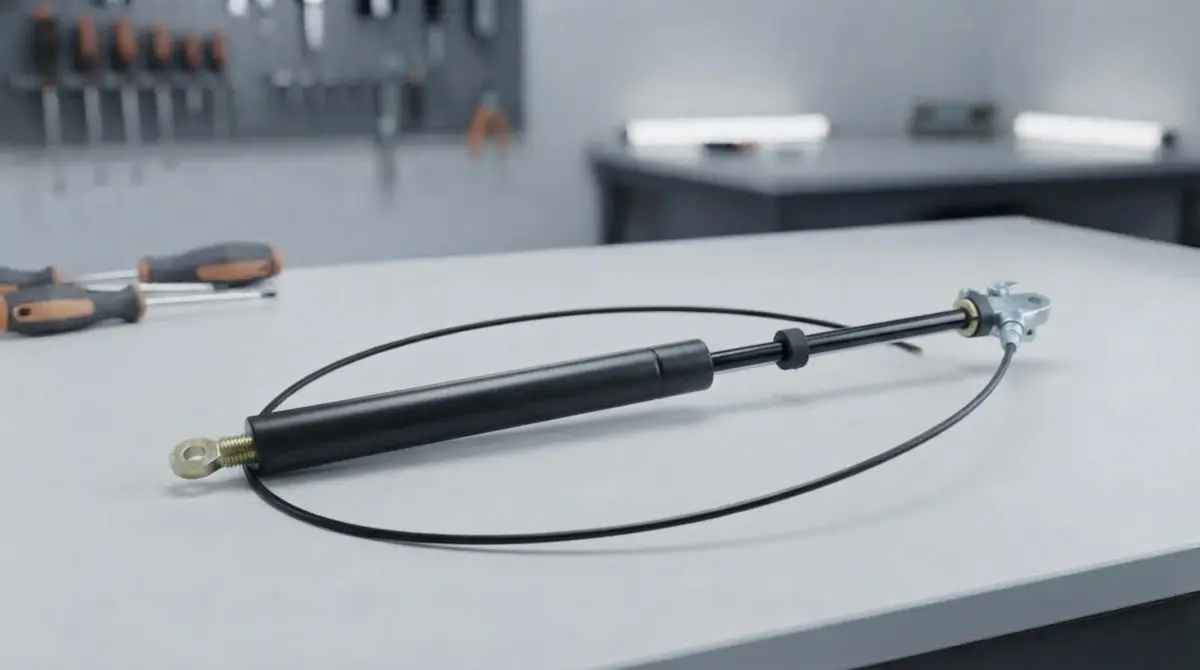
Release Mechanism
Give nurses, operators or end users effortless control over mid-stroke positioning.
- Direct release pin for cross-bar or foot-pedal linkage
- Pull-switch cable actuator for remote release routing
- Compatible with bedside levers, paddles and push-buttons
How does a double tube gas spring achieve a longer stroke?
In a single-tube rigid locking strut, the floating separating piston and oil chamber sit in line with the main piston rod, which uses up axial cylinder length. A twin tube gas spring places a concentric inner cylinder inside the outer body, routing the gas and oil chambers in parallel so nearly the full length of the body can be used for rod travel.
Should I choose the single-tube or double-tube compression locking gas spring?
Both lock rigidly against downward (compression) loads. Choose the single-tube compression rigid locking gas spring for shorter strokes (20–350 mm) where space is not restricted. Choose this double tube gas spring when you need a longer stroke (up to 500 mm), a shorter retracted installation length, or a flatter force progression curve.
Why is this model widely used as a hospital bed gas spring?
Medical bed backrests, leg sections and overbed tables must raise across a wide angle while folding flat into a shallow bed frame. They also have to stay rock-solid when a patient leans or presses down. The twin-tube design delivers that long stroke from a compact body alongside an oil-filled compression lock that prevents unwanted sinking.
What if my load pulls on the rod instead of pushing it in?
This strut is engineered for rigid locking in the compression direction. If your mechanism places a pulling (tension) load on the piston rod when locked, choose our extension rigid locking gas strut instead. If you prefer a cushioned hold in both directions, see our elastic lockable gas spring, or view our non-locking compression gas spring for simple lifting support.
Can the lock be triggered from a bedside lever or foot pedal?
Yes. You can specify a pull-switch cable actuator head that links to a remote paddle, bedside rail lever or push-button, or actuate the release pin directly with a local cam bar.
What specifications do you need to prepare a quote?
Send us the required stroke (S), extended length (B) or cylinder body length (B1), extension force (F1), rod diameter (8 mm or 10 mm), finish colour, end fittings, release style and expected batch quantity. A mounting drawing showing the load direction is always helpful.
Get a quote for double tube locking gas springs
Send your stroke, cylinder length, force and mounting details. We’ll confirm the exact twin-tube spec and come back with a clear quote.
Prefer email? info@newtonmatic.com